Making Tax Digital for Income Tax (MTDFIT)
Get StartedWhat is Making Tax Digital?
Making Tax Digital (MTD) is part of HMRC’s plan to modernise the UK tax system. Those who will be affected will be required to maintain digital records and submit updates to HMRC throughout the year using MTD-compatible software.
The aim of MTD is to make it easier for businesses and individuals to keep accurate records, reduce errors, and submit tax information directly from compatible accounting software.

Who is Affected by MTD?
Making Tax Digital for Income Tax (MTDFIT) currently applies to:
- Self-employed individuals
- Individuals with rental property income
MTD is being introduced in phases and the date from which you must comply with MTD depends on your qualifying income (your combined income from self-employment and property, all before the deduction of any expenses).
| Qualifying Income Threshold | Start Date |
| Over £50,000 (based on 2024–25 tax year) | 6 April 2026 |
| Over £30,000 (based on 2025–26 tax year) | 6 April 2027 |
| Over £20,000 (based on 2026–27 tax year) | 6 April 2028 |
If you are unsure whether MTD applies to you, it is important to check early to ensure you are prepared.
Who is not affected by MTD?
MTD for IT does not currently apply to taxpayers who only have:
- Employment income (PAYE only)
- Pension income
- Savings/dividend income
- Partnership Income
HMRC has confirmed that MTD is to be rolled out to partnerships and limited liability partnerships (LLP’s) in the future however no timescale has been provided.
Limited companies will not need to comply.
If you submit tax returns but aren’t in scope of MTD, you will have to continue filing self-assessment returns, but the additional requirements of MTD won’t apply to you.


How we can help you
We help individuals prepare for and comply with MTD requirements by:
- Reviewing your current accounting systems
- Recommending suitable MTD-compatible software
- Helping you transition to digital record keeping
- Supporting you with ongoing compliance and reporting
- Providing guidance to help you understand your financial position more clearly
Our aim is to make the transition to Making Tax Digital as smooth and stress-free as possible.
What Does MTD Mean for You?
If you’re affected by MTDFIT you will be required to:
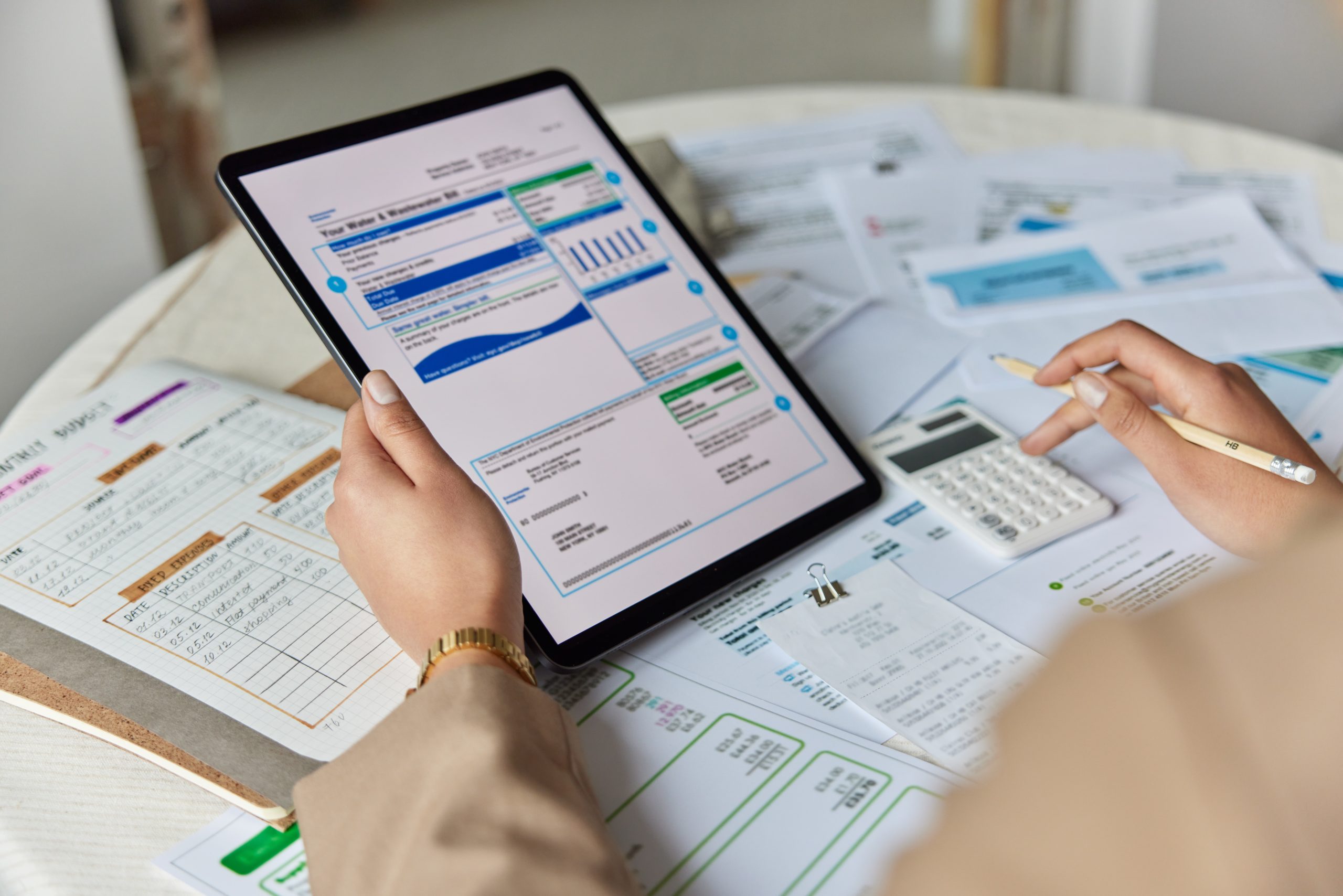
- Keep your accounting records digitally
- Use HMRC-approved accounting software
- Submit quarterly updates to HMRC and a 5th “final declaration” (rather than just one annual self-assessment tax return)
While this represents a change in how tax information is reported, it also provides opportunities to improve financial visibility and business planning.
MTD for IT Requirements
Quarterly Submissions
You are required to submit quarterly updates that will provide a summary of your self-employment income and/or property income to HMRC every quarter based on the digital records you keep.
PERIOD COVERED | FILING DEADLINE | |||
Quarterly Update 1 | 6 April to 5 July 2026 | 7 August 2026 | ||
Quarterly Update 2 | 6 July to 5 October 2026 | 7 November 2026 | ||
Quarterly Update 3 | 6 October to 5 January 2027 | 7 February 2027 | ||
Quarterly Update 4 | 6 January to 5 April 2027 | 7 May 2027 |

What is the Final Declaration?
After the fourth and final quarterly update has been submitted, you will need to file a ‘Final Declaration’. This is similar to the current Self-Assessment return but will pre-populate with the income and expenses from the quarterly updates.
Those entries will need to be adjusted along with disclosure of other income such as investments or savings. You will also submit any claims for relief on the final declaration.
Submission of your final declaration and payment of tax due, needs to be submitted by 31 January after the tax year. This means for the tax year 2026-2027, the final declaration will be due by 31st January 2028.

Why Prepare Early?
Preparing early for MTD can help you avoid last-minute stress, reduce the risk of errors, and give you more time to adapt your bookkeeping processes.
The sooner you move towards digital accounting, the easier it becomes to manage your finances and stay compliant with HMRC requirements.
Get in Touch
If you would like help preparing for Making Tax Digital or want to check how MTD affects you or your business, please get in touch with our team.

Frequently Asked Questions
Your start date depends on your qualifying income (from self-employment and/or property before expenses). If your income is over £50,000, you must comply from 6 April 2026. Those earning over £30,000 will join from April 2027, and over £20,000 from April 2028.
Qualifying income includes your total income from self-employment and rental properties before deducting expenses. It does not include employment income, pensions, or savings and investment income.
Under MTD for Income Tax, the traditional Self Assessment return is replaced by quarterly updates and a final declaration. The final declaration works similarly but is pre-populated using the information submitted throughout the year.
You will need to use HMRC-approved MTD-compatible accounting software to keep digital records and submit updates. Spreadsheets alone are not sufficient unless they are linked to compatible bridging software.
Failure to comply may result in penalties from HMRC. This could include fines for late submissions, inaccurate records, or failure to maintain digital records, so it’s important to prepare in advance.
Yes, professional support can make the transition much easier. An accountant can help you choose the right software, set up digital record keeping, and ensure you stay compliant with all MTD requirements.
Alan Robson
They provide us with a fully outsourced finance function so that our own team can focus on our business. They implemented Xero software from day one of the company meaning that we have real-time visibility of our business at all times, The monthly management accounts meetings we have with Jan really add value to decision-making and strategic planning and we wouldn’t be without them.
Peter Broxton
Their professionalism, expertise and client care are outstanding and they have supported our growing business no end. They look after everything from our bookkeeping, VAT, annual accounts, as well as claiming Research & Development tax relief, preparing budgets and forecasts and assisting with grant claims. The whole team are always responsive, friendly and reliable and we wouldn’t hesitate to recommend them to anyone looking for a trustworthy and efficient firm to look after their business finance requirements.
Scott Hackett
I moved my accounts over to Jan at the beginning of the year and have been extremely impressed with her attention to detail and precision. She’s made it easy for me to understand and manage all the key aspects of my accountancy, as well as offering useful suggestions of ways to improve and make things work more efficiently for me and my business. I’d highly recommend Jan and her team to anyone looking for professional, friendly, and reliable accountants that truly get to know you and offer a tailored service.”
Alistair Evans
Jan McDermott & Co have been our accountants for over 15 years and have not only ensured our accounting records are accurate and legal, but also provided us with first class advice to help us grow. They recommended our move to Xero accounting software which has revolutionised our business, allowing us to create predictable income through the use of Go Cardless Direct Debits, and streamlining our day to day accounting operations. Jan and her team are friendly, easy to work with and take time to understand a particular problem or situation. I wouldn’t hesitate to recommend them to any business that wants an accountancy firm they can grow with and depend on.